Explore the finest snacks, appetizers, and small bites.
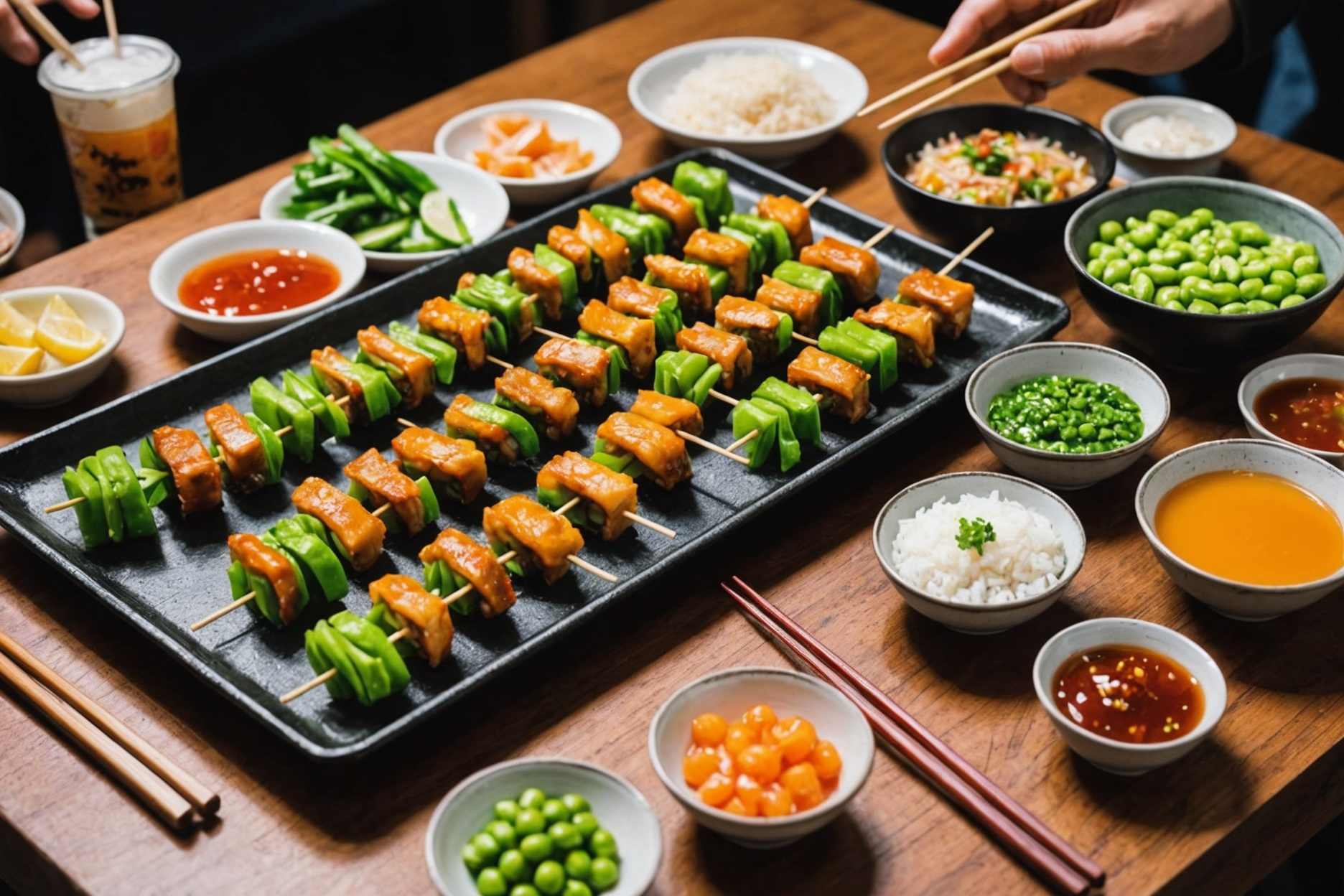
Dive into our tantalizing array of Japanese street food! Discover delightful appetizers and tiny nibbles, from classic yakitori skewers to easy pre-dinner edamame snacks. Explore our comprehensive collection of more irresistible Japanese street foods!
1
Simple and flavorful chicken skewers that you will love.
VIEW RECIPE

Delight in these grilled chicken skewers, a beloved street food classic that’s simple to prepare at home. "Chicken yakitori is a straightforward Japanese dish perfect for a cozy night in. Pair it with white rice and sake for an effortlessly special meal!" notes ChefJackie. Don’t forget to try Beef Yakitori as well!
2
Japanese-style chicken meatballs, flavorful and tender.
VIEW RECIPE

"In Japan, this dish has countless variations," remarks garywhinton. "Typically served on sticks, they can also be found in soups, bentos, or as a main course. It swiftly became a family favorite."
3
Delightful Tamago Sando: creamy egg salad nestled in soft bread.
VIEW RECIPE
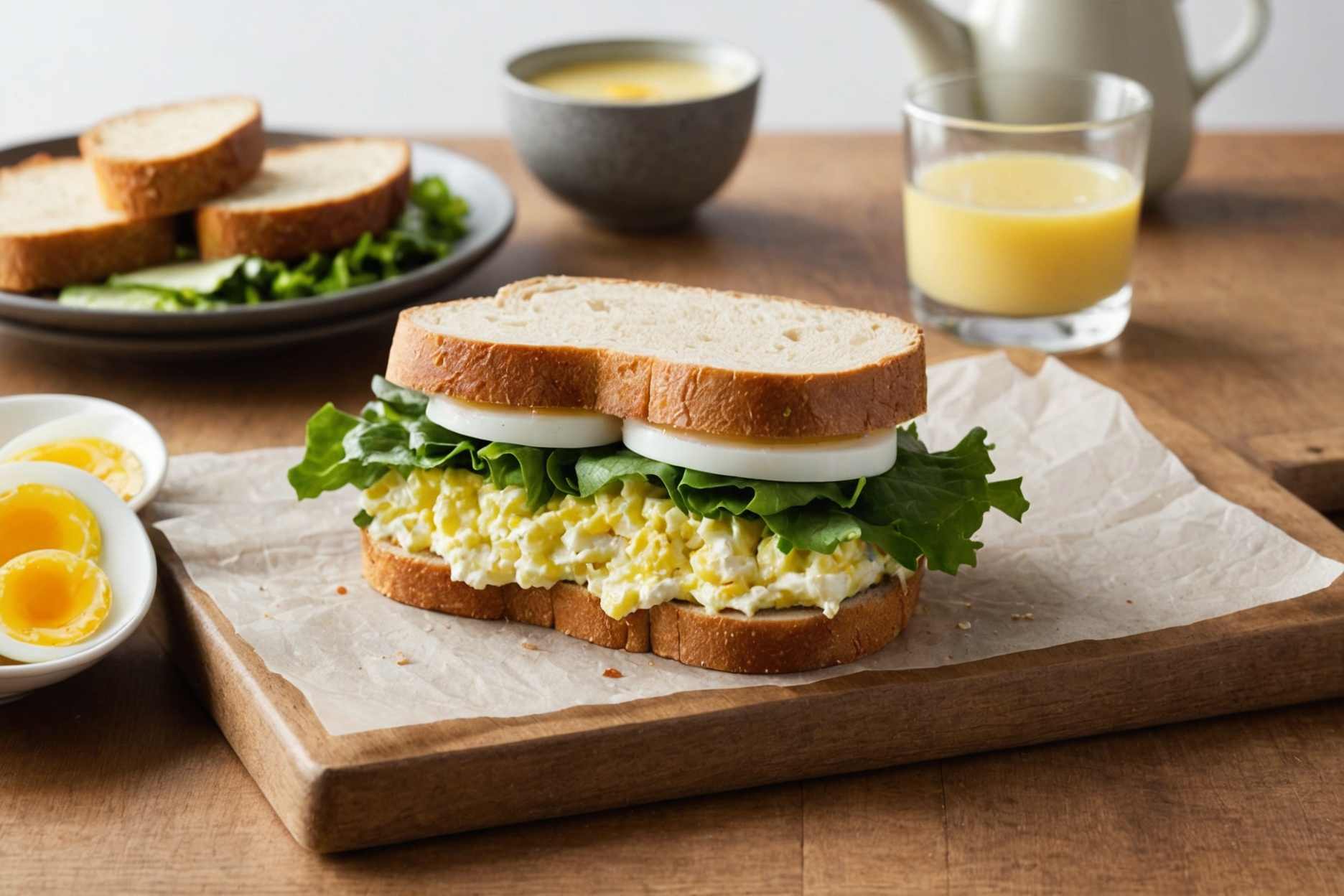
Discover the delightful Japanese egg salad sandwich, transforming a convenience store snack into a global favorite. Its soft, buttery, and subtly sweet Japanese milk bread contributes to its charm. Equally enticing is the rich, savory Kewpie mayonnaise, expertly recreated by Chef John.
4
A delightful blend of savory flavors!
VIEW RECIPE
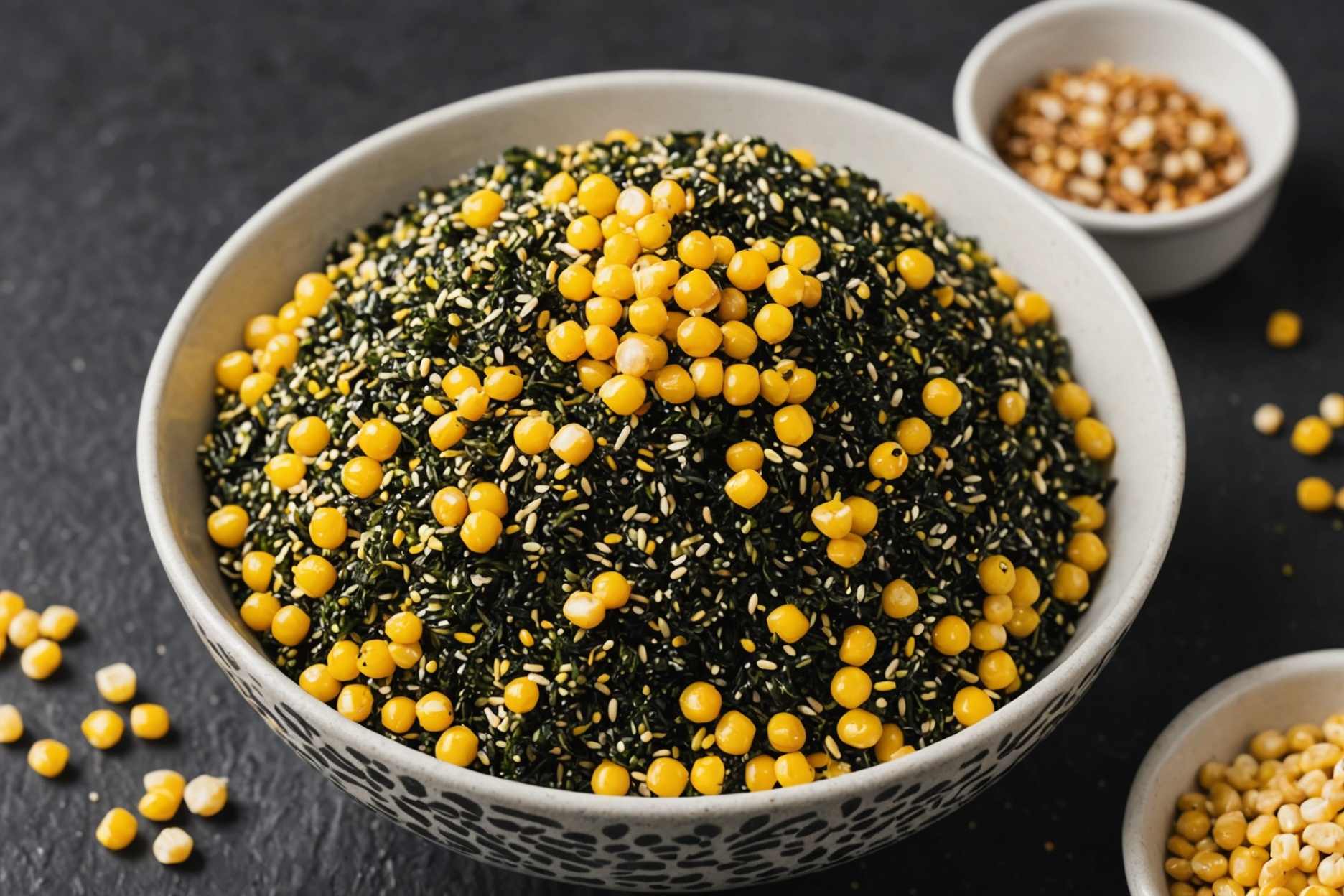
Aji nori furikake is a delightful seaweed and sesame seasoning, perfect for enhancing rice, fish, and vegetable dishes. In this recipe, combine it with crispy corn, rice cereal, sugar, and corn syrup for a delightful sweet and salty snack. "It's a beloved Hawaiian treat, sure to please everyone!" shares Laurie Sueko Lau.
LATEST POSTS
- 1
 Explore these mouthwatering chicken breast dishes!
 - 2Discover 22 incredibly easy soup recipes that you can prepare in under 30 minutes!
- 3Explore 11 simple and satisfying one-dish pork chop meals.
- 4Discover 12 amazing chicken breast recipes, each crafted with only 5 simple ingredients or less.
- 5Explore these 10 delectable Taiwanese recipes to enjoy!




Share this recipe