Explore these 16 quick and easy air fryer side dish recipes!
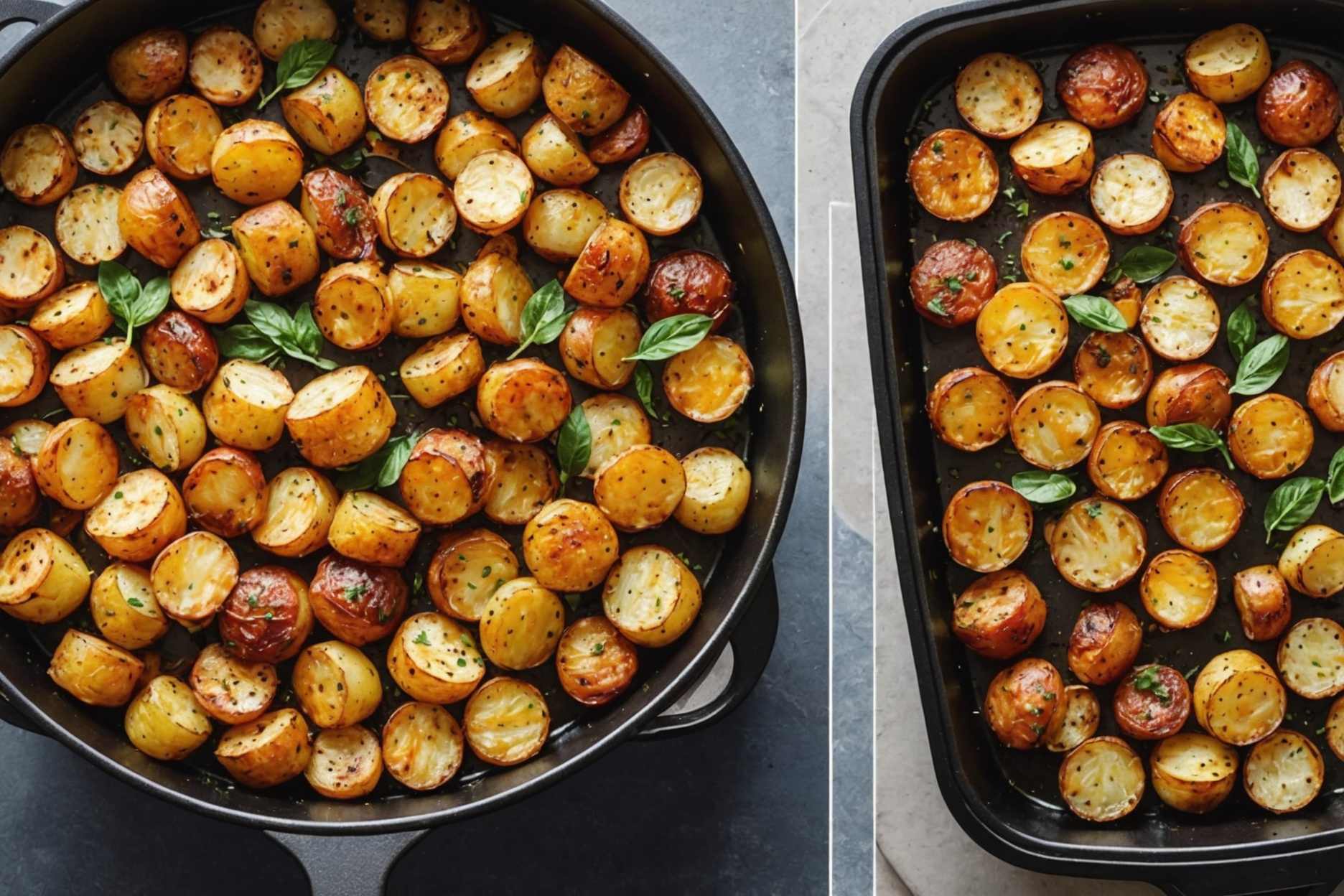
Utilize your air fryer for traditional roasted, deep-fried, or sautéed sides — and even some baked ones! Enjoy crispy potatoes and herby ratatouille; these air-fried dishes enhance your dinners, minus the excess oil.
1
Crispy and healthy zucchini chips made in an air fryer.
VIEW RECIPE
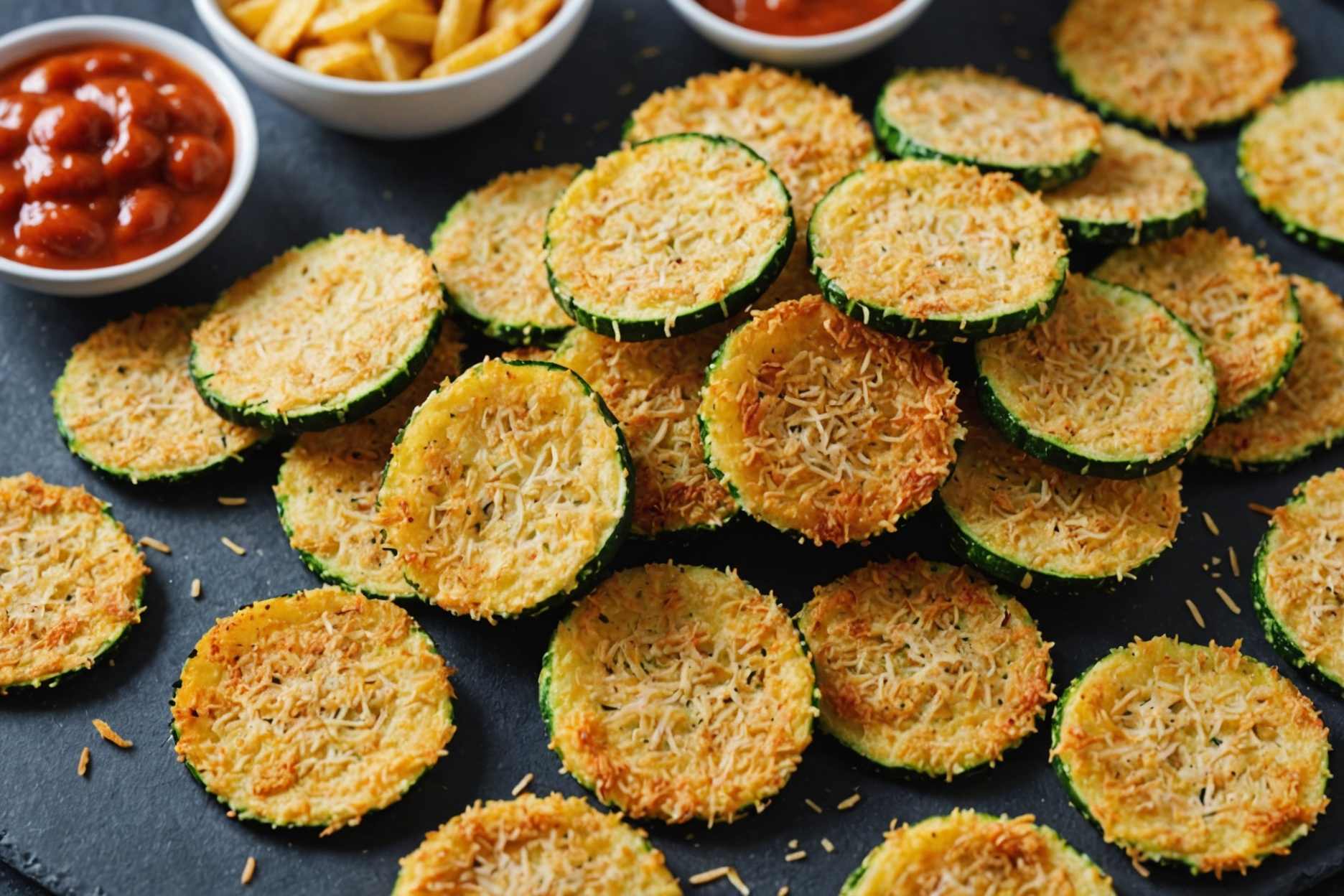
Savor crispy zucchini chips loaded with cheesy goodness without the frying guilt. It's the perfect way to utilize your abundant summer zucchini harvest. Dip in marinara, ranch, or Sun-Dried Tomato Dip. "These were crispy and crunchy, highlighting the Parmesan flavor in the coating," shares lutzflcat. "Next time, I’ll slice the zucchini a bit thicker at 1/8" for more flavor."
2
Hay made from potatoes.
VIEW RECIPE
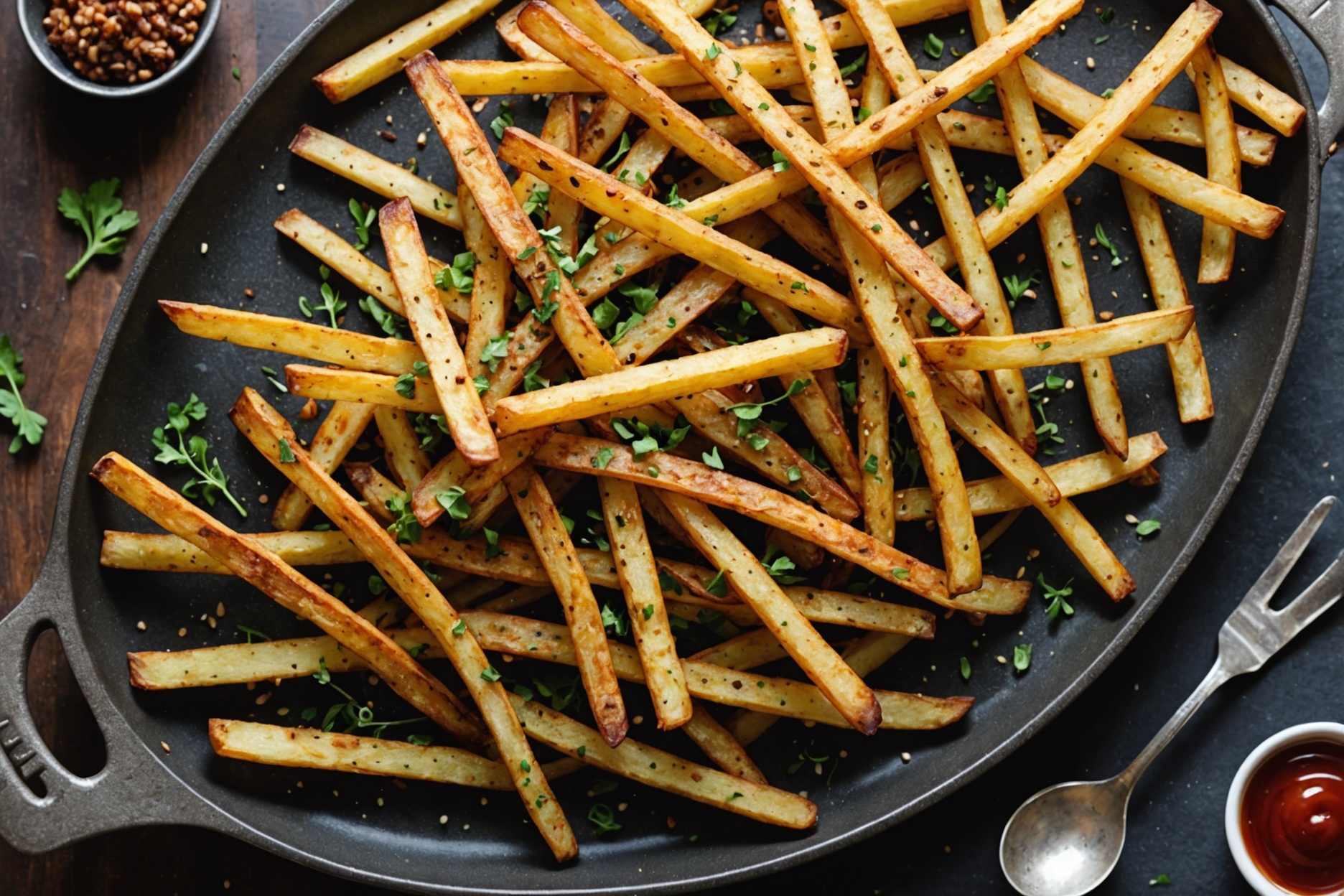
Just 1 tablespoon of oil creates these amazing fries! "Fantastic recipe!" praises Buckwheat Queen. "Timing was on point; at 13 minutes they were crispy outside, fluffy inside, with skins left on." Use a spiralizer with the medium grater to create long curls, trimming with kitchen shears after several turns.
3
Deliciously crisp, tender broccoli and cauliflower made effortlessly!
VIEW RECIPE
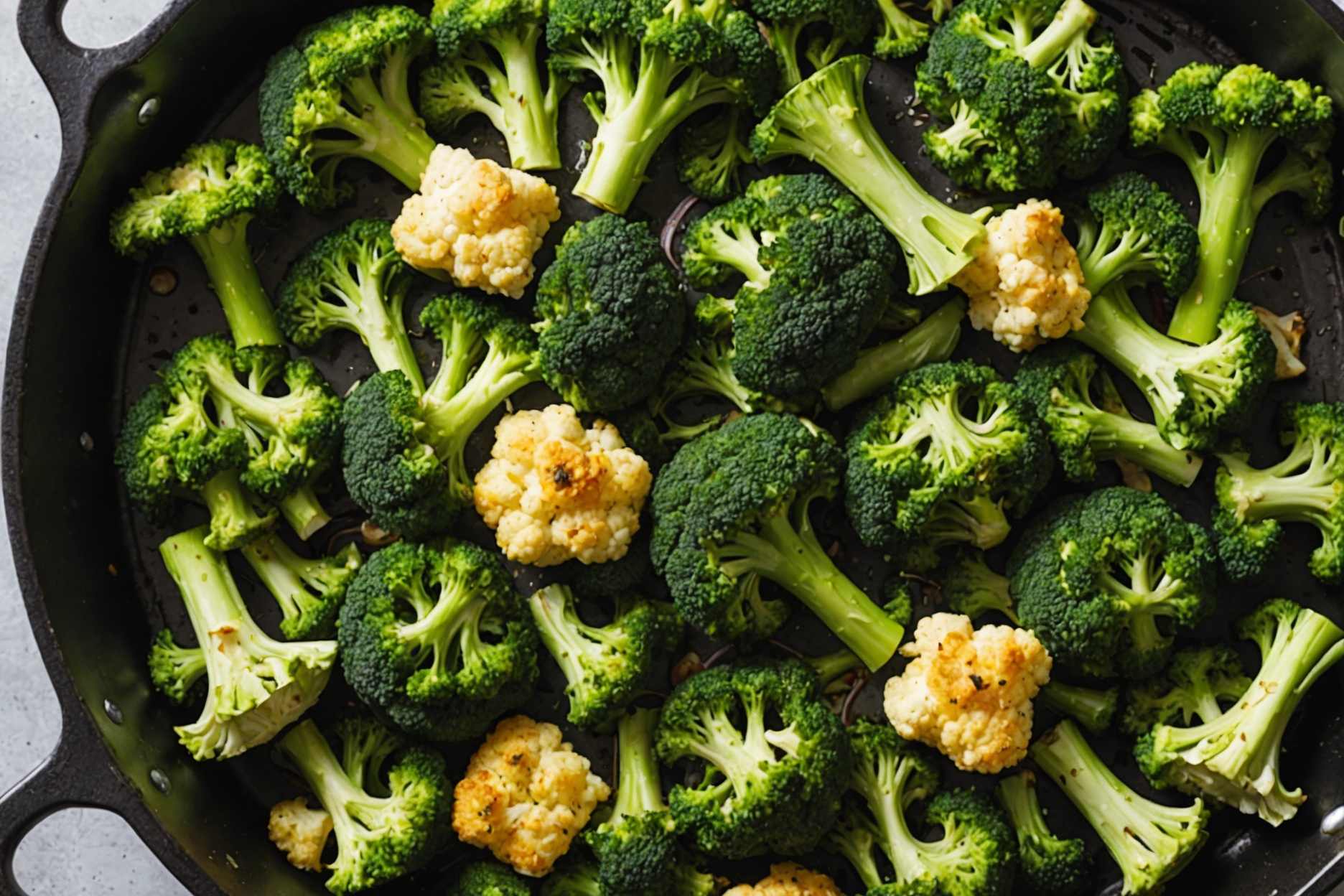
Experience quick, effortless roasted broccoli and cauliflower in your air fryer! Nicole suggests adding a splash of lemon or a sprinkle of Parmesan for extra flavor.
4
Delicious air-fried broccoli seasoned with everything bagel spice.
VIEW RECIPE
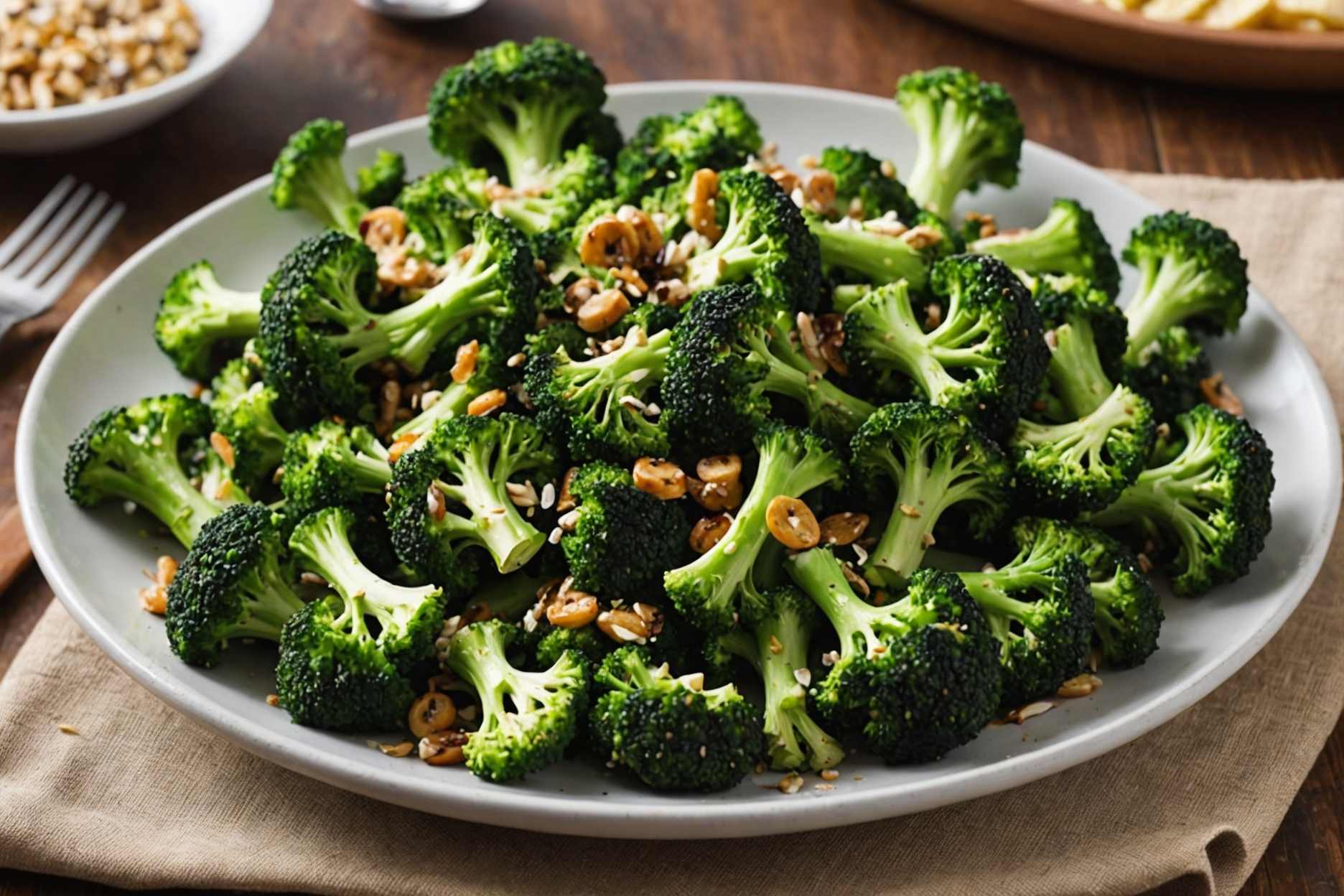
Simply toss broccoli florets with olive oil and everything bagel seasoning for a healthy side dish ready in 15 minutes. Yoly’s recipe is a quick, easy method to roast broccoli, with the seasoning elevating the flavor.
LATEST POSTS
- 1
 Discover 35 delightful, easy-to-make Chinese dinners right in your kitchen!
 - 2Discover 21 delightful air fryer recipes to savor this autumn.
- 3Discover the top 15 delightful Thanksgiving dishes made effortlessly in your air fryer.
- 4Discover 25 delicious Instant Pot chicken recipes!
- 5Discover 22 incredibly easy soup recipes that you can prepare in under 30 minutes!
Share this recipe