Discover delightful ways to savor the abundance of plums!
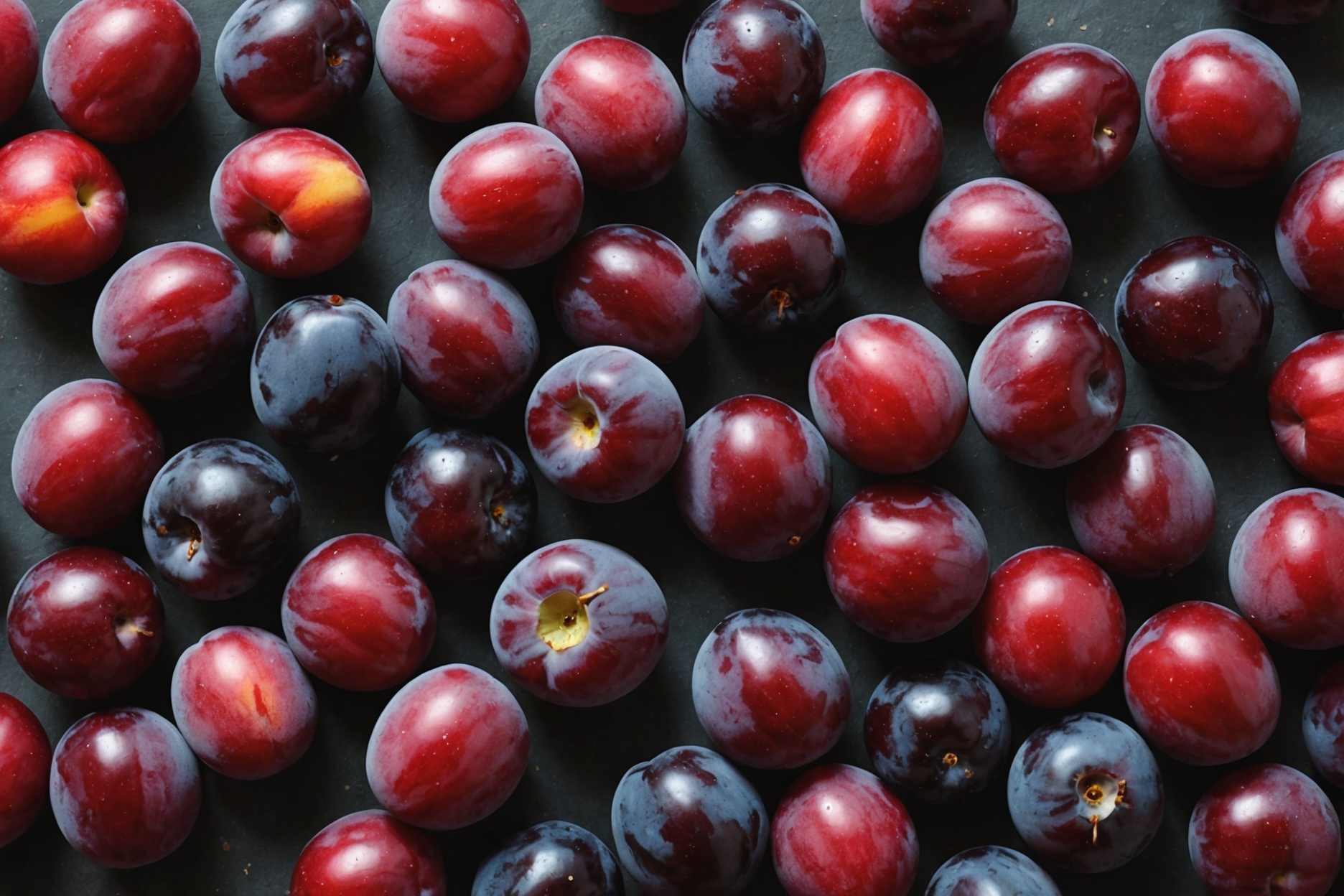
Late summer ushers in an abundance of fresh plums at the market, the season's only opportunity to savor their unique flavors. These vibrant stone fruits vary from sweet to tart, so tasting them first is wise to determine how to balance any added sweeteners in your recipes. Here are some of our favorite plum recipes, sweet and savory, to enjoy today.
1
A charming blend of damson plums and aromatic cardamom.
VIEW RECIPE
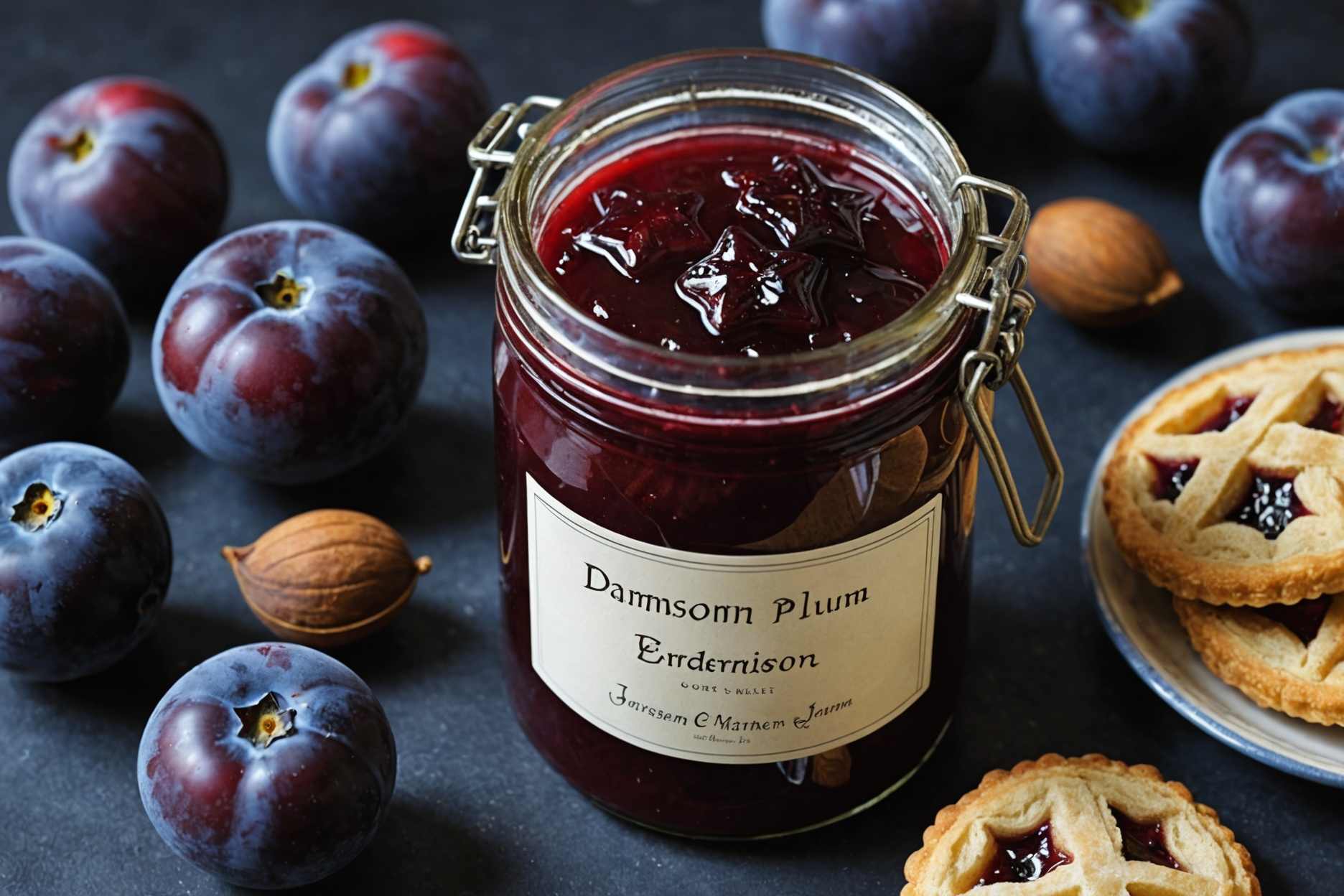
Jamie Northern's 5-star recipe reveals: "Damson plum creates a tart, flavorful jam, perfect for cookies, waffles, bread, and more. Cardamom adds a unique, subtle aroma to these preserves." New to canning? Check out these helpful tips.
2
Delightful plum crisp, a sweet and tart dessert!
VIEW RECIPE
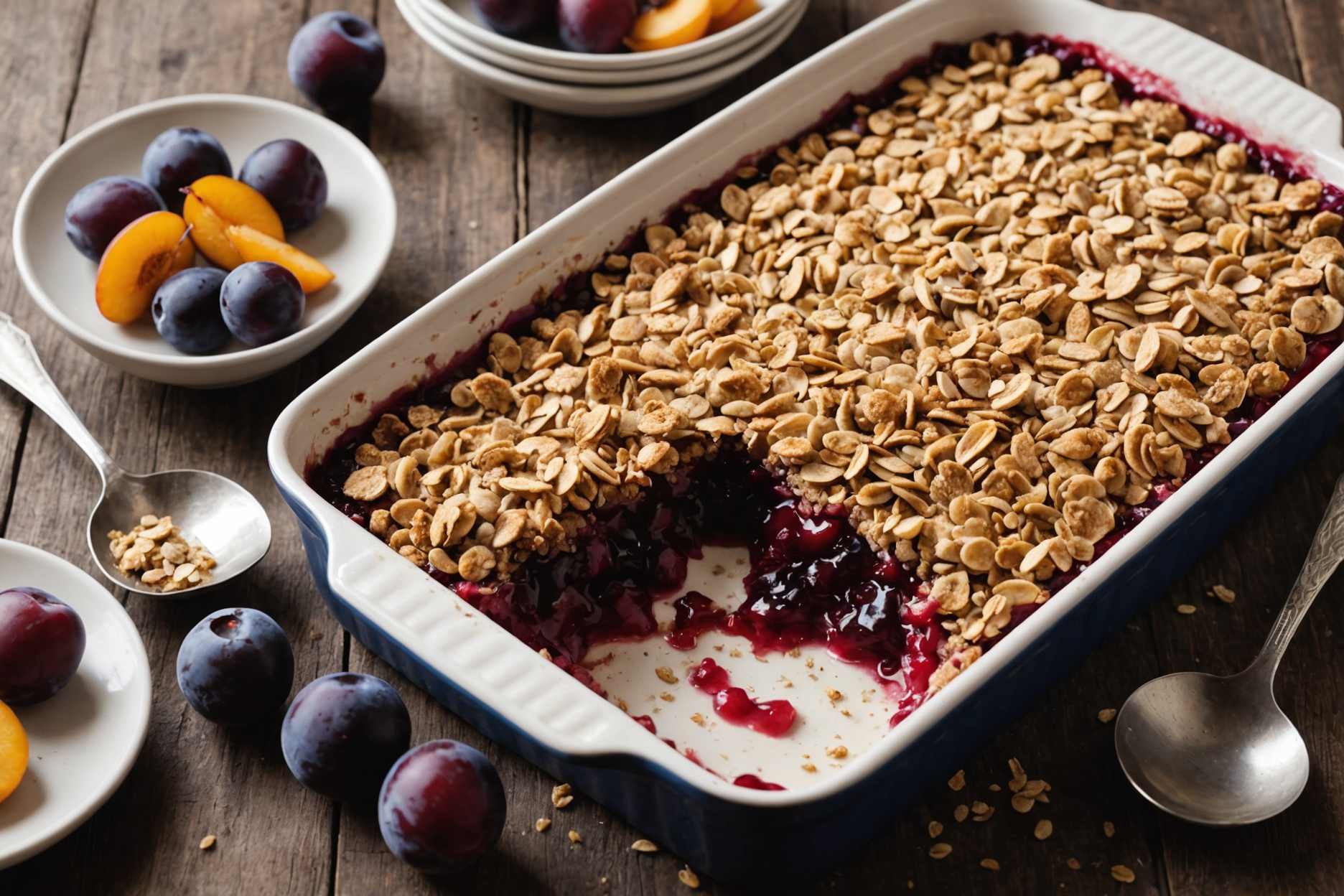
This dessert is so easy, you'll keep returning to it. Feel free to substitute half the flour in the topping with rolled oats.
3
Zesty and vibrant plum salsa for a delightful twist.
VIEW RECIPE
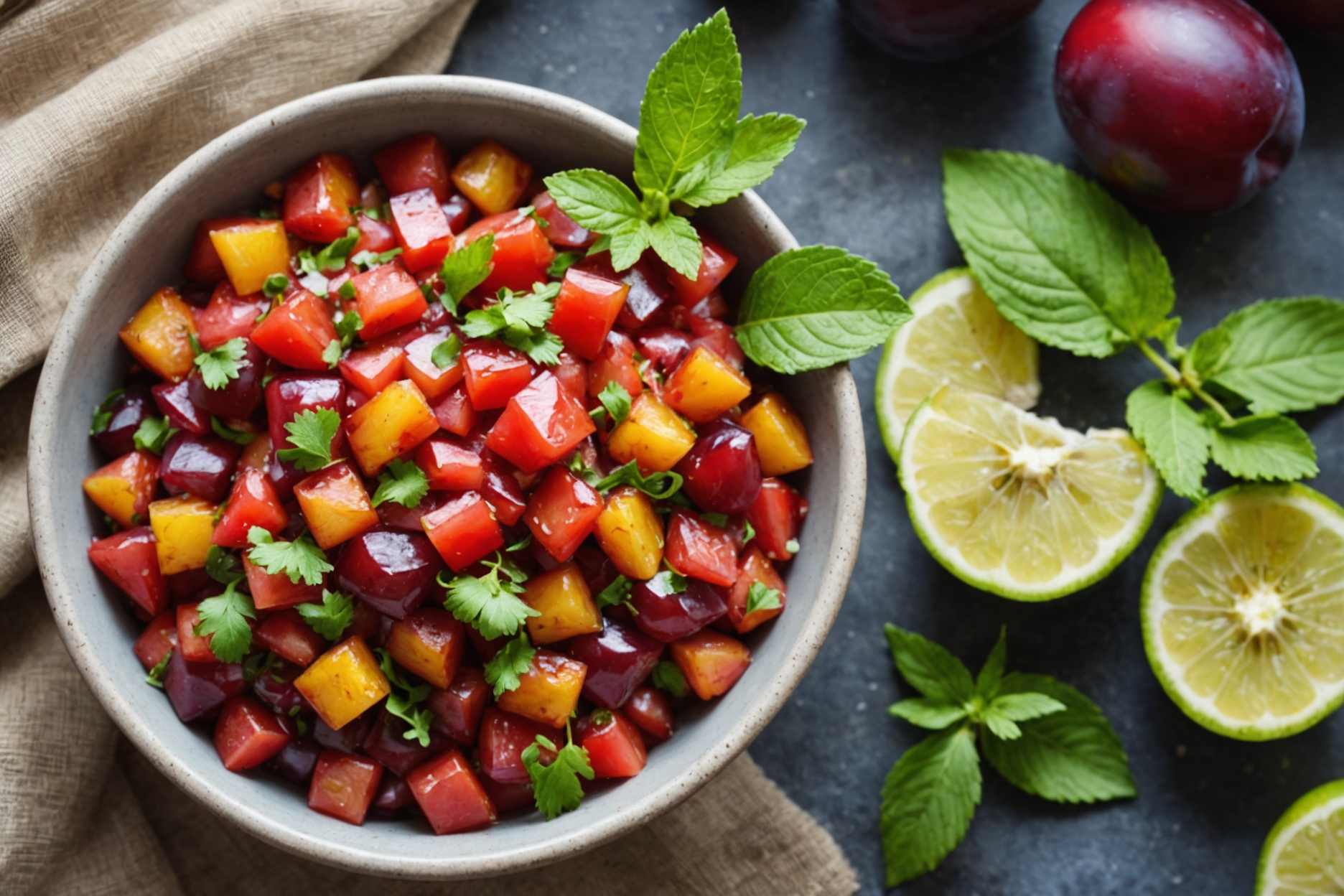
Fruity salsa transcends tropical fruits! "Plums soak up the bold spiciness, offering a light, smoky-sweet taste," shares recipe creator Farmfresh. "Ideal for a refreshing summer snack or paired with tacos and grilled pork."
4
Deliciously moist bread featuring bananas and plums.
VIEW RECIPE
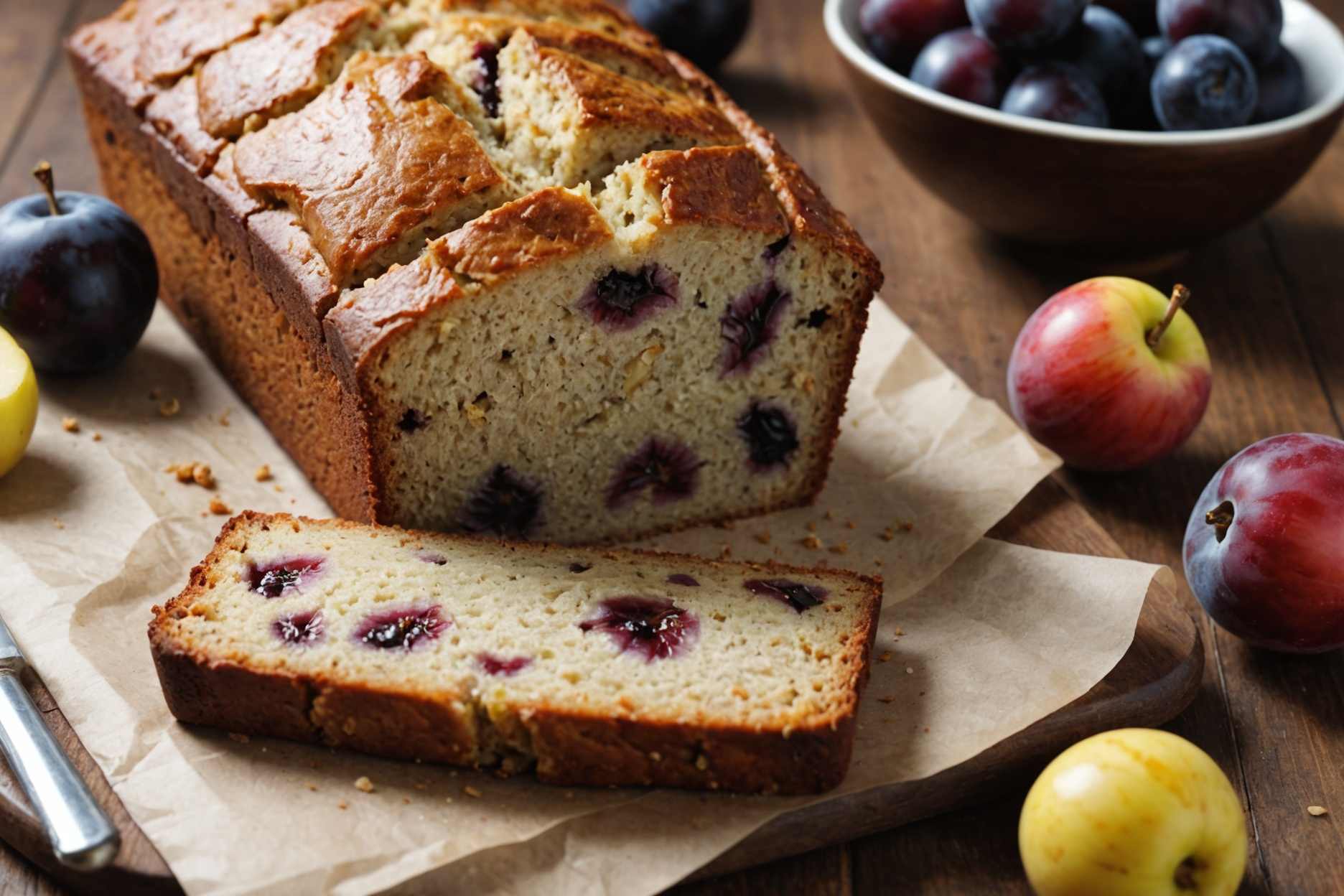
"This is truly delectable! I nearly followed the recipe perfectly. A dash of cinnamon and a hint of vanilla sugar added a delicious twist that paired wonderfully with the plums. It was a real treat! My fiancé enjoyed it so much that I only got two slices left! Looks like I’ll be baking this again!" says Yanna_K.
5
Indulge in whipped ricotta, drizzled with honey, paired with fresh summer fruits.
VIEW RECIPE
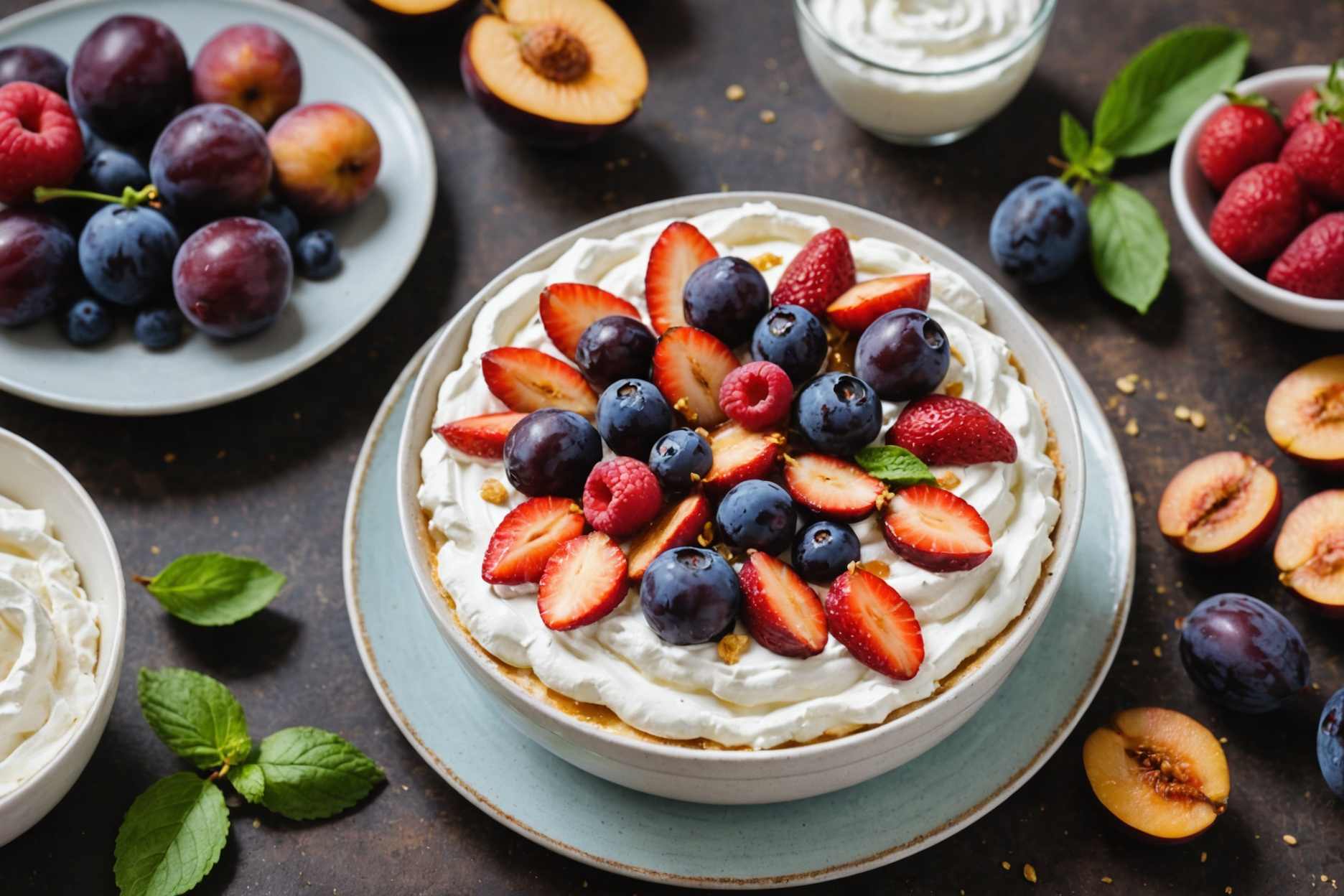
This simple recipe yields stunning results. Fresh summer fruits such as plums, strawberries, and figs are enhanced with a dollop of vanilla whipped ricotta and finished with a drizzle of sweet honey, creating an irresistible delight.



Share this recipe