17 Delectable Treats to Create Using Frozen Fruit
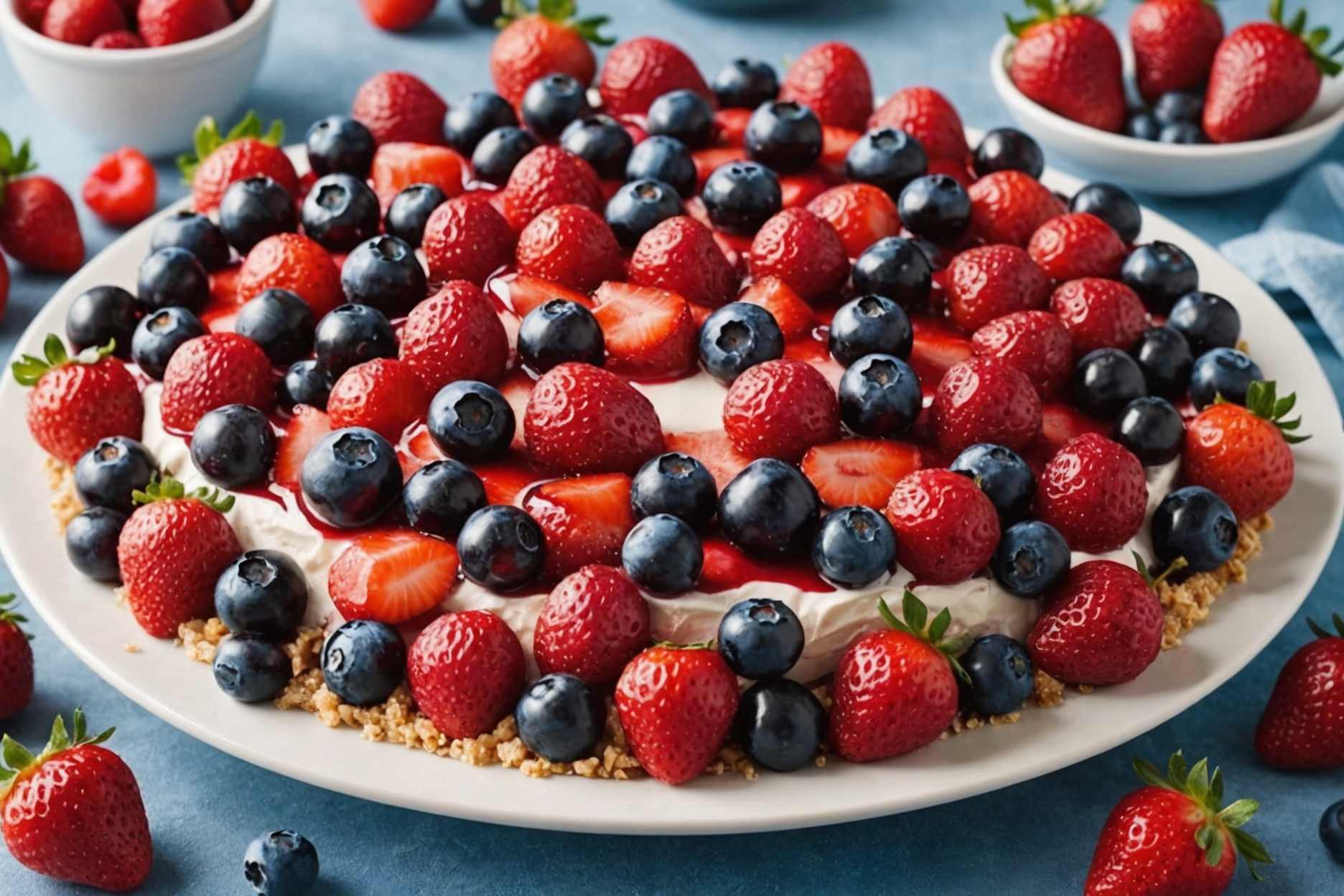
Nothing spoils faster than ripe, fragrant fruit. Why wait until May for a ripe, red strawberry or August for a sweet, juicy peach? The freezer offers the perfect solution. It preserves the freshness of fruit at its seasonal peak, allowing you to savor it year-round.
1
Chilled fruit medley for a refreshing delight.
VIEW RECIPE
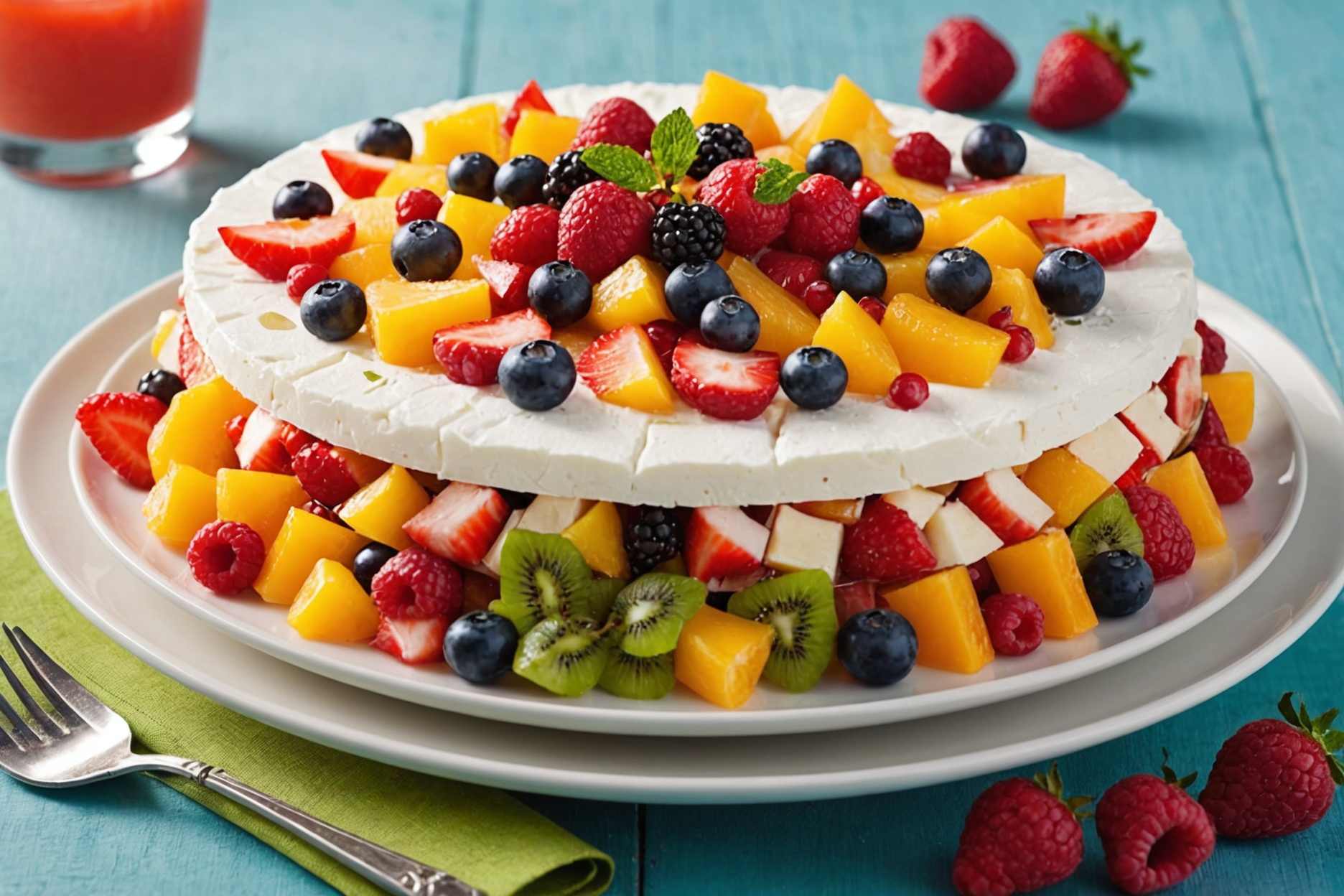
What’s more refreshing than fruit salad on warm days? Try this frozen fruit salad, artfully sliced for a stunning dessert. Each slice showcases sparkling, jewel-toned bits of luscious, icy fruit.
2
Effortless batter creates a scrumptious fruit cobbler.
VIEW RECIPE
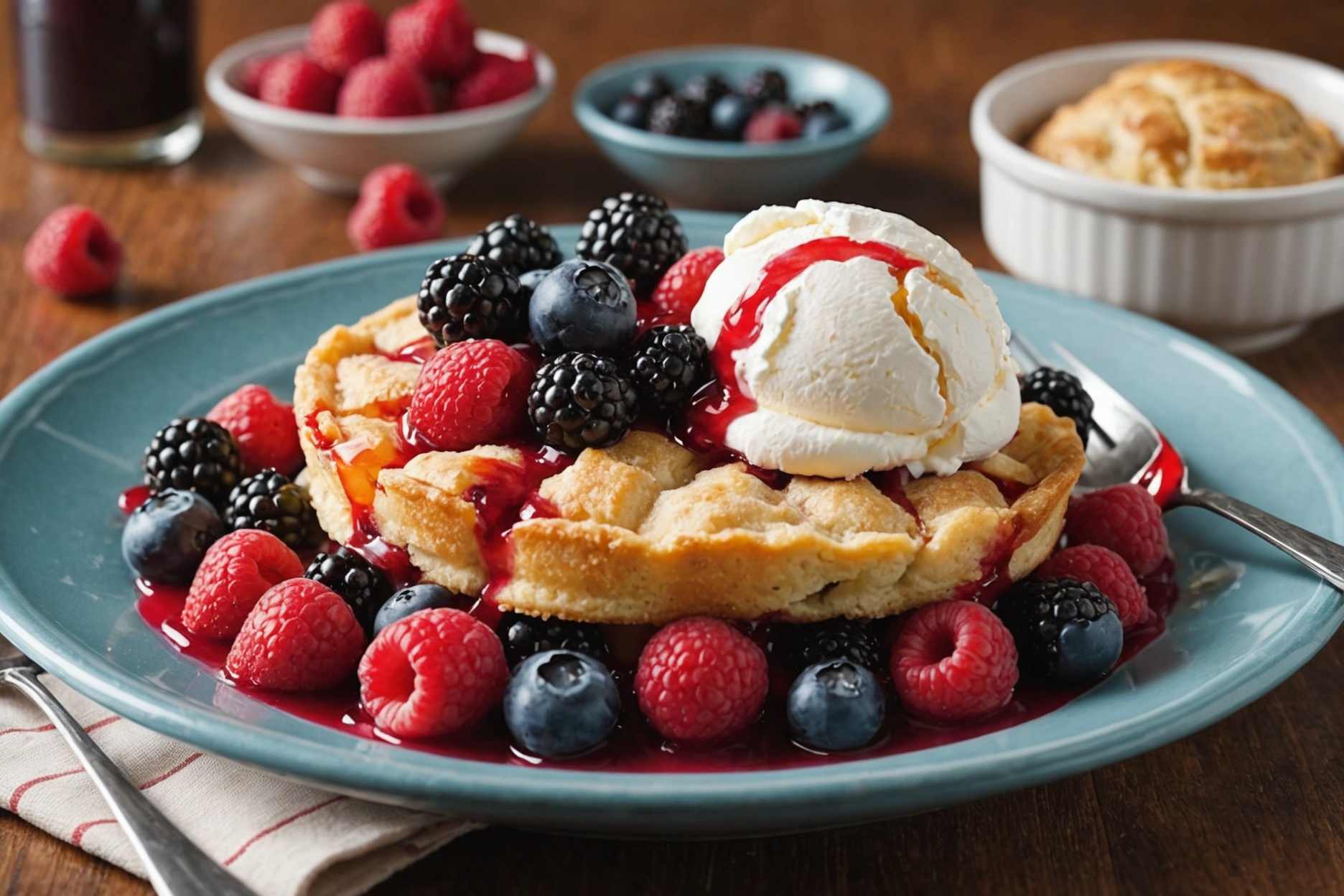
Frozen berries and pancake batter unite for a quick treat. "This fruit cobbler is the simplest dessert you'll find, even easier than store-bought ice cream," declares creator Ben S.
3
Indulge in creamy white chocolate ganache paired with frosty berries.
VIEW RECIPE
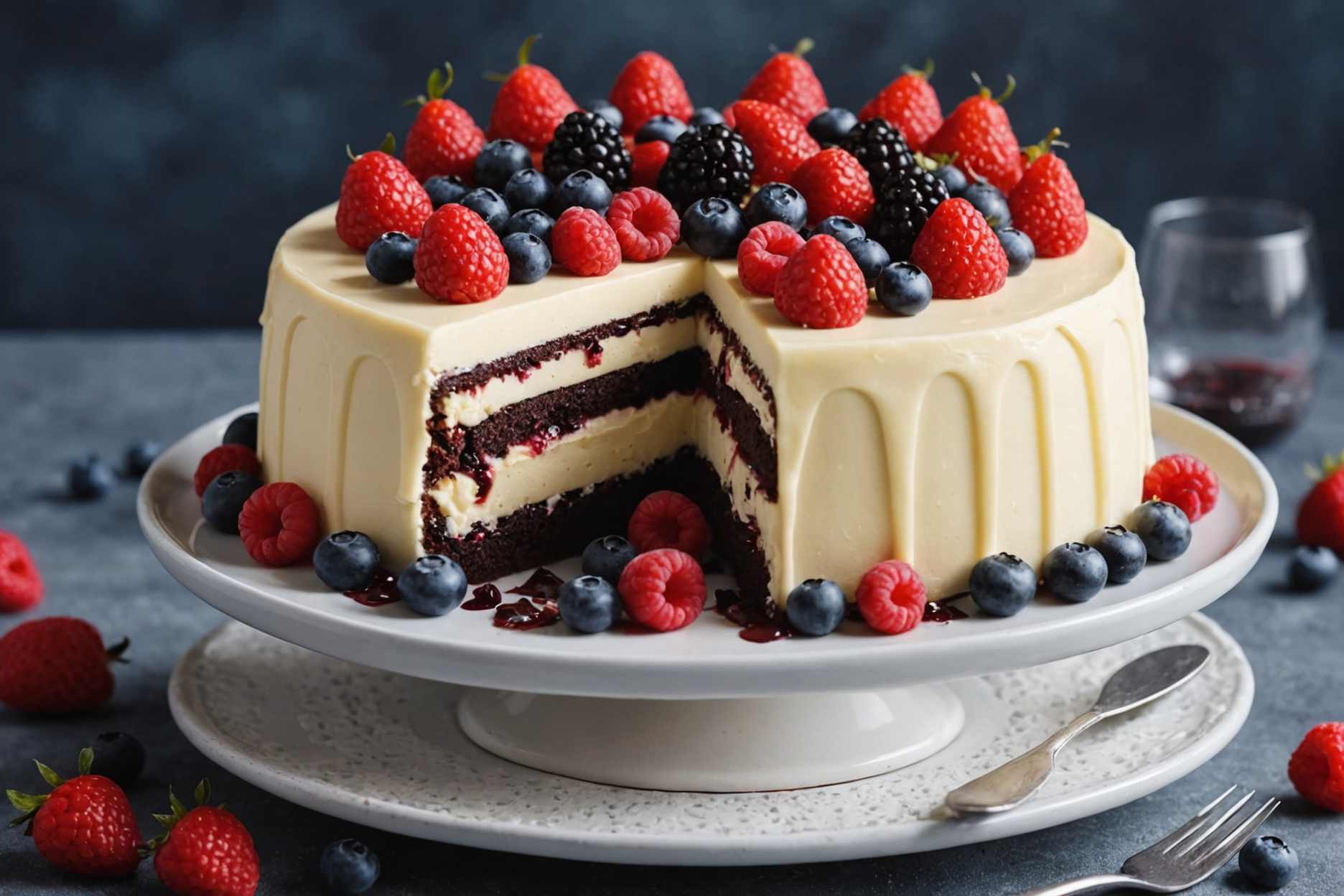
Delightfully simple like berries and cream, enhanced with lush chocolate ganache that doubles as cake icing.
4
Delightful gingerbread infused with vibrant blueberries.
VIEW RECIPE
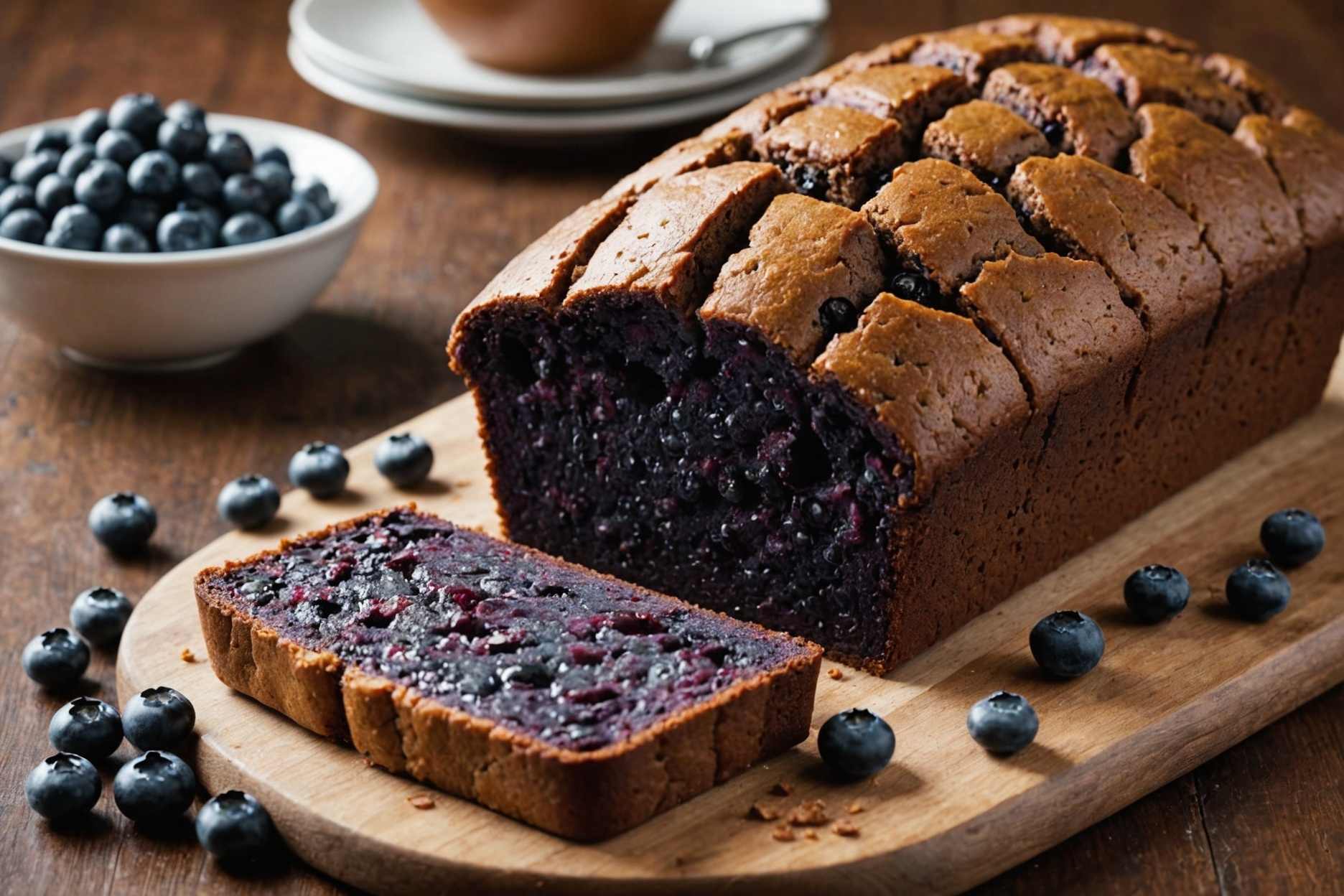
Experience Christmas in spring, as your home fills with the warm, spicy scent of freshly baked gingerbread. This delightful loaf features a surprise twist with tender, frozen blueberries.
5
Experience the ultimate blueberry cobbler delight!
VIEW RECIPE
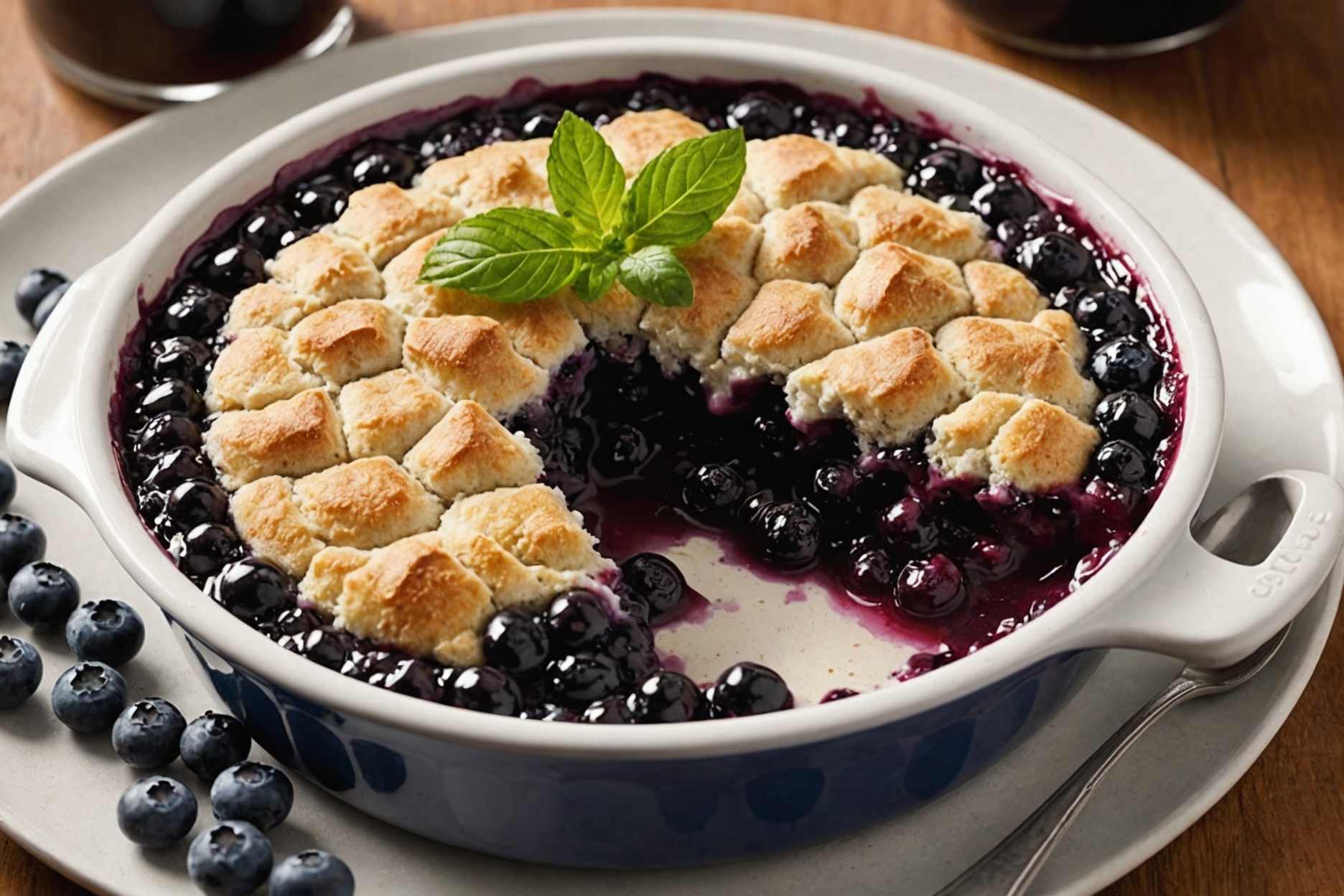
A cakey crust rests over luscious, sweet blueberries, baked to perfection, releasing their flavorful juices into a delightful syrup. Retrieve a pack of frozen blueberries from the freezer, and savor a taste of summer anytime.
LATEST POSTS
- 1
 That Will Leave You Begging for More!
 - 217 Must-Try Mexican-Inspired Breakfast Dishes
- 3Discover 22 incredibly easy soup recipes that you can prepare in under 30 minutes!
- 4Chef John's Best Halloween Recipes
- 5Discover 20 delightful casseroles requiring just five ingredients each, perfect for saving both time and money.




Share this recipe